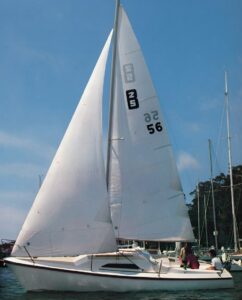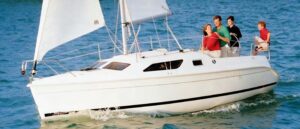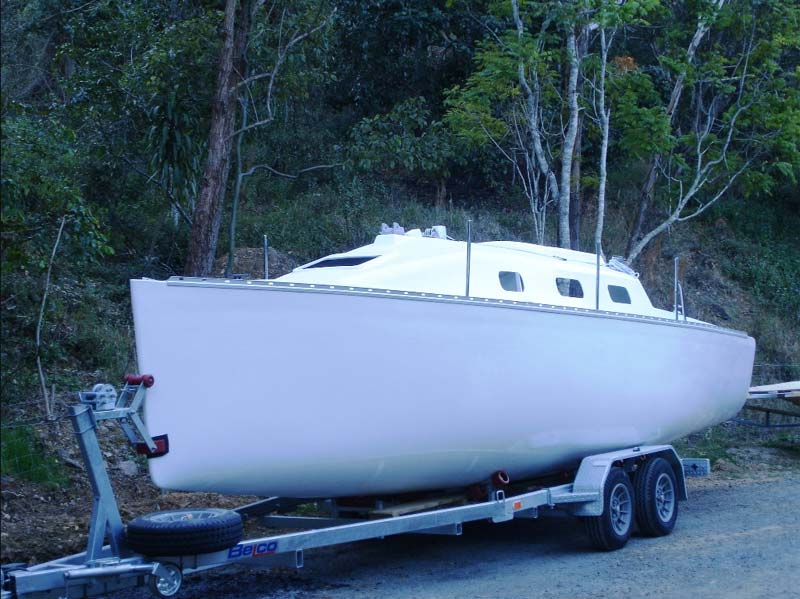
The Ross 780E represents an upgraded and extended version of the traditional Ross 780 Mk III sailboat, designed to enhance interior headroom, overall stability, cabin layout, and overall sailing performance. Production of this improved model was brought forward to refine both cruising comfort and competitive racing capabilities. Key exterior and structural enhancements include a 40mm increase in hull side height, cabin redesigns that extend maximum headroom further toward the main bulkhead, and an improved hull laminate utilizing a vacuum-bagged foam core (10mm to 12mm thick) combined with vinylester resin and double-bias cloth. This construction yields a stiffer, lighter, and better-insulated vessel that remains quieter, warmer in winter, and cooler in summer. Furthermore, the cockpit has been lengthened by approximately 200mm to accommodate longer seats for better ergonomics and crew positioning, while the starboard and port stern lockers have been redesigned for extra depth and improved drainage.
Inside the vessel, the expanded cabin space allows for significant improvements across all living zones. The forward v-berth and secondary porta-loo toilet area benefit from increased headroom, while the port-side galley has been radically redesigned into a side-mounted arrangement that enables two people to cook or clean simultaneously with direct access to the icebox. The saloon length has been increased, featuring settees between 1750mm and 1820mm long, alongside an optional dinette that can expand to seat up to six people. The fully enclosed bathroom area is extended to 1000mm in length, providing ample room for an electric toilet, shower, wet weather gear storage, and accessories. At the rear, the king-sized double berth features elevated seating headroom and a raised bunk base designed to accommodate an optional secondary water tank, boosting total water capacity considerably. Exterior deck changes include mounting the front-opening fore-deck hatch on the forward-sloping cabin section to optimize interior light and cross-ventilation, softened moulding edges around the transom, and a higher mast step paired with an optional rigging aid to simplify single-handed mast raising and lowering.
In terms of performance and handling, the Ross 780E gains speed across all points of sail due to its longer waterline, extended overall hull length (roughly 450mm longer), and enhanced buoyancy aft. The redesigned deck and keel mounting system allow for a deeper keel with a lower centre of gravity and approximately 30kg (around 10%) of additional lead ballast, resulting in superior lateral resistance and righting moment. Rigging options cater to both racers and cruisers: Class Racing models transition to a 7/8 fractional rig that eliminates overlapping headsails for easier tacking and reduced sail inventory costs, while Cruising models retain the versatile 3/4 fractional setup. Both configurations offer choices between standard aluminium or lightweight carbon fiber masts. The elevated spinnaker hoist allows for a 15% increase in standard spinnaker area, supporting both symmetrical and asymmetrical setups as well as an optional furling MPS for easy cruising.
Source: ‘NEW Ross 780E’, 780 Upgrade Sales Material’ John Crawford Marine, 2009, accessed October 16, 2026, https://www.johncrawfordmarine.com.au/advice/trailer-sailer/ross-780-e
Image: GeoffR. 2009. ‘Ross 780e’ (photographs of the Ross 780e trailer sailer). Trailer Sailer Place, August 11, 2009, accessed October 16, 2026. https://trailersailerplace.com.au/phpBB3/viewtopic.php?t=4140.
See Also: Ross 780
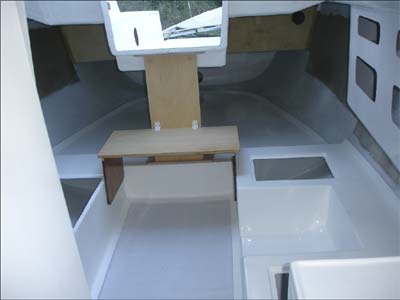
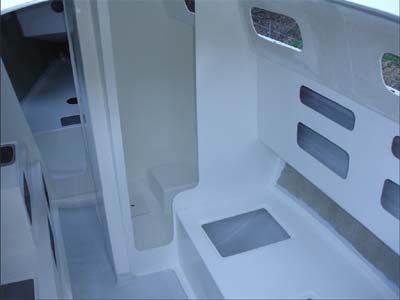
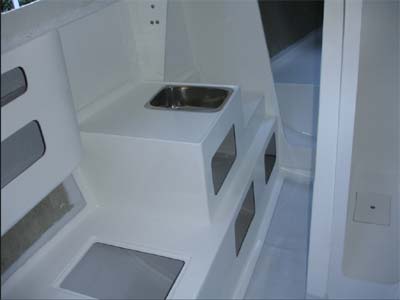
Historical photograph reproduced for identification and historical research purposes. Copyright remains with the original rights holder.
Quick tip: Keep in mind that trailer sailers can vary quite a bit, even within the same class. Take the RL28, for example: they might not all have outboard wells as designed. Some originally may have had inboard engines, and when those were removed, the owners swapped them for a standard outboard mounted on the stern.